Ligaments are tissue that connect bones with each other in our joints. As we age, several changes occur in our ligaments that can affect their structure and function. Conditions affecting the ligaments are treated with orthopaedic medicine.
What Are Ligaments?
Ligaments are strong, fibrous connective tissues that connect bones to other bones in joints. They play a crucial role in providing stability and support, and limiting the range of motion in joints. Ligaments are composed primarily of collagen fibres and are essential for maintaining the integrity and function of joints throughout the body.
Age-Related Ligament Changes
Not everyone experiences age-related changes to the same extent, and lifestyle factors such as physical activity level, nutrition, and overall health can influence the rate and severity of age-related changes in ligaments.
In general, however, ligaments tend to become less elastic with age. This reduction in elasticity can affect joint mobility and flexibility, making ligaments more prone to strains or tears.
Ageing can lead to increased joint laxity or looseness. This laxity is due to changes in the ligaments’ ability to provide stability to the joint, resulting in joint instability and a higher risk of ligament injuries.
Reduced strength and the loss of tensile properties over time can lead to a decrease in the ligament’s ability to withstand stress or resist forces, increasing the risk of injury.
Ligaments may undergo thinning and degeneration with age. The collagen fibres within ligaments can become disorganised and less dense, resulting in a weaker overall structure.
The healing processes within ligaments may slow down with age. The production of new collagen and the remodelling of damaged ligament tissue may take longer, leading to delayed recovery from ligament injuries.
Age-Related Injuries
Age-related injuries to ligaments commonly include ligament sprains, tendinopathy, ligament tears, joint instability, and osteoarthritis. Ligament sprains occur when ligaments are stretched or torn due to excessive force or trauma, with age-related changes making ligaments more susceptible to such injuries.
Tendinopathy, a degenerative condition affecting tendons, can also impact ligaments and result in weakened ligaments and compromised joint stability. Ligament tears can occur in various joints, whilst joint instability may arise from age-related ligament laxity or degeneration.
Ligaments can be affected by changes in the bone due to osteoarthritis, where ligaments may become thicker or tighter in response to cartilage deterioration. Whilst these conditions are not exclusive to older individuals, age-related changes in ligaments can contribute to their occurrence.
Lifestyle Changes to Prevent Age-Related Changes
Whilst age-related changes to ligaments are a natural part of the ageing process, certain measures can help slow down or mitigate these changes.
Exercise
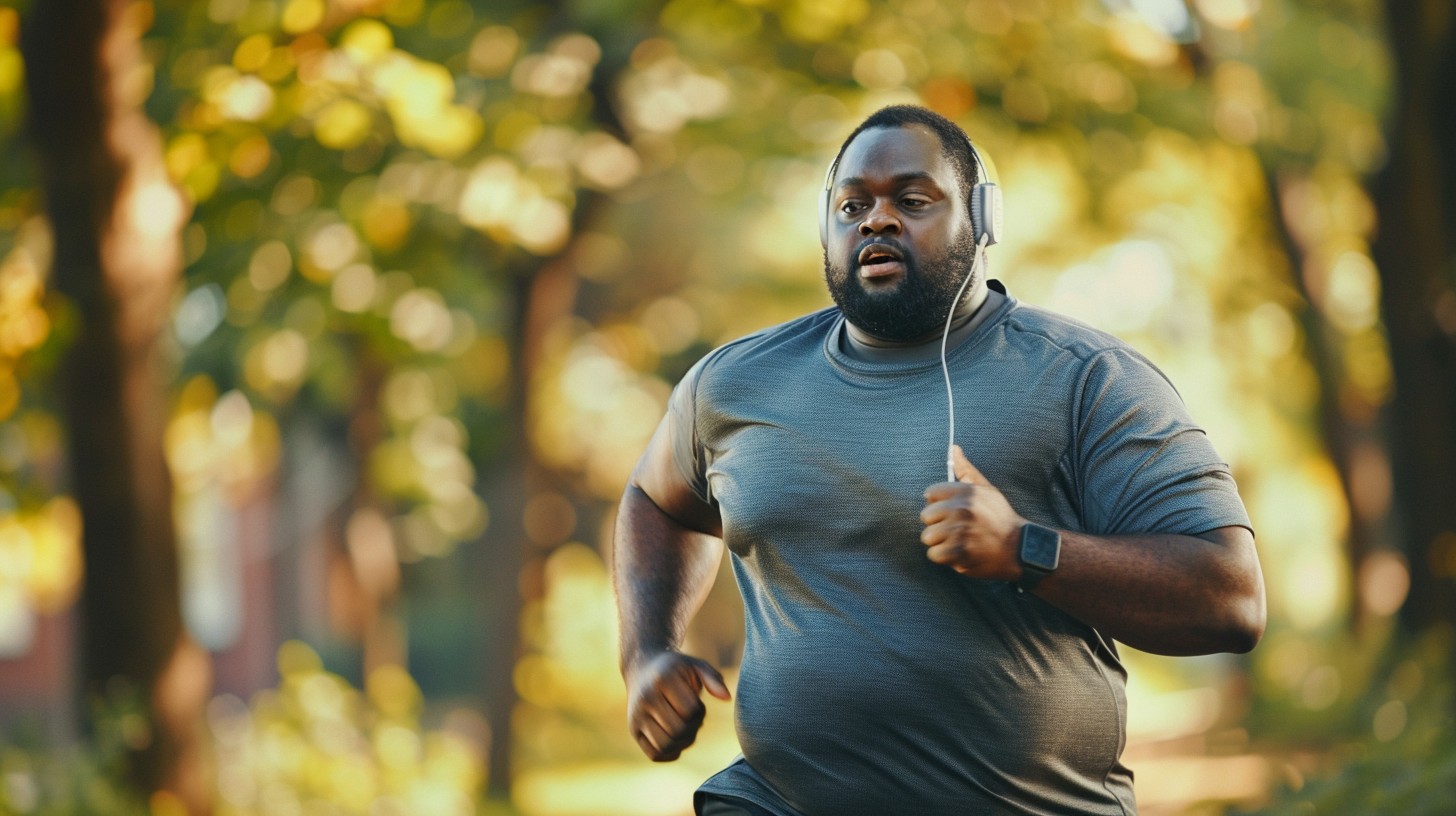
Engaging in regular exercise that includes a combination of cardiovascular activities, strength training, and flexibility exercises can help maintain the strength, flexibility, and overall health of ligaments. Weight-bearing exercises, such as walking or resistance training, can be particularly beneficial for stimulating ligament adaptation and maintaining joint stability.
Incorporating stretching and flexibility exercises into your routine can help maintain joint mobility and prevent ligaments from becoming stiff and less elastic. Dynamic stretching before exercise and static stretching after exercise can help improve flexibility and reduce the risk of injury.
Posture
Maintaining good posture and joint alignment reduces strain on ligaments. Poor posture can lead to imbalances that stress certain ligaments over time, accelerating wear and tear.
Nutrition
A balanced diet rich in nutrients, including vitamins C, E, and D, and minerals like calcium and magnesium, can support ligament health. These nutrients are essential for collagen synthesis, which is vital for ligament strength and integrity. Including a variety of fruits, vegetables, lean proteins, and whole grains in your diet can provide the necessary nutrients.
Hydration
Staying adequately hydrated is important for maintaining the health and elasticity of ligaments. Drinking sufficient water throughout the day helps keep ligaments lubricated and supports their ability to absorb shock and resist forces.
Healthy Body Weight
Maintaining a healthy body weight can reduce the load on joints and ligaments, minimising wear and tear. Excess weight puts additional stress on ligaments, increasing the risk of injury and accelerating age-related changes. Maintaining a balanced diet and engaging in regular physical activity can help achieve and maintain a healthy weight.
Stop Smoking and Limit Alcohol Use
Smoking and excessive alcohol consumption can negatively impact ligament health and overall tissue healing. These habits can impair collagen synthesis and weaken ligament structures. Quitting smoking and moderating alcohol intake can help preserve ligament health.
Appropriate Gear
Practising proper body mechanics and using appropriate protective gear during physical activities or sports can help minimise the risk of traumatic ligament injuries. This includes wearing protective equipment such as helmets, knee pads, or wrist guards, and using correct techniques for lifting, bending, and other activities that may strain ligaments.
Avoid Overuse or Injury
Repeated stress or trauma to ligaments from high-impact activities or improper movement can lead to weakening over time. Avoid overuse injuries by incorporating rest days into your routine and listening to your body.