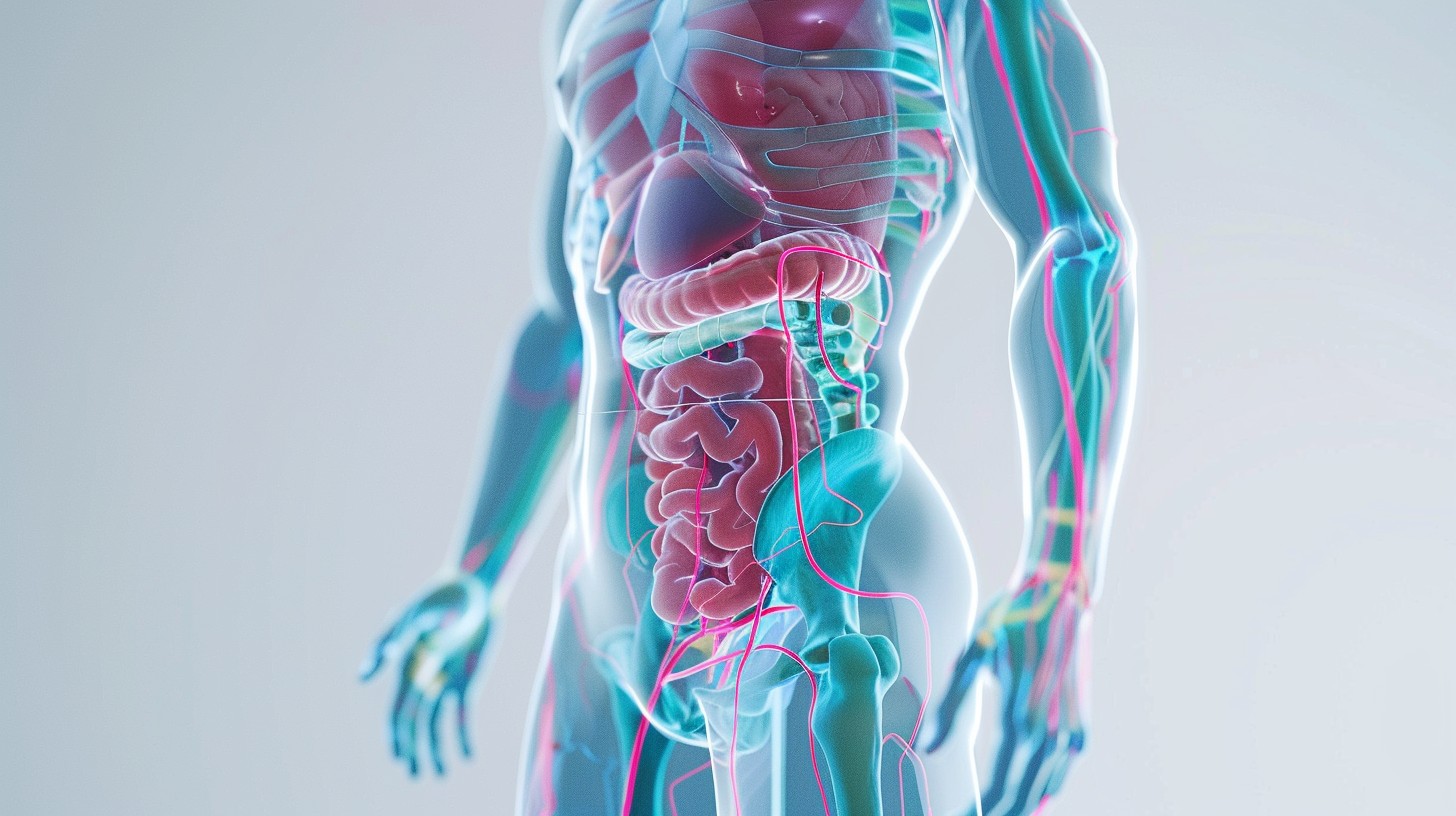
The gut-brain connection is a communication pathway between the gut and the brain that communicates both ways. It is also known as the gut-brain axis, which is the communication network between these two seemingly distant organs. Research shows that improvement in the gut-brain connection can help you improve your physical and mental well-being.
Understanding this connection can help you to understand how your gut health can affect mental health and cognition, and how brain health can affect gastrointestinal function.
A simple explanation for this is the feeling of ‘butterflies’ you feel when you are nervous. Have you thought about how the stress you are experiencing is affecting your stomach?
How Are the Gut and Brain Connected?
Gut Microbiome
The gut microbiome, the living organisms inside the digestive tract, plays a crucial role in this connection between the gut and the brain. These gut microbes produce various neurotransmitters, chemicals, and peptides that affect the gut-brain axis.
This is known as the endocrine pathway of communication. There are endocrine cells in the gut that release neurotransmitters. Gut bacteria also synthesise several key neurotransmitters, which can affect the brain and thus your mood and other functions of the body. The probiotic found in the gut, Lactobacillus, produces gamma-aminobutyric acid (GABA), which influences brain activity.
Dysbiosis, an imbalance of the gut microbiome, has been found to cause mental health disorders. This is because the gut bacteria directly influence the neurotransmitters, which can cause mental health changes.
Additionally, the gut and the brain interact through the immune system and the endocrine system (hormonal system), which is also affected by the balance of the gut microbiome.
Neurotransmitters
Neurotransmitters send signals to the rest of the body, and this is one of the ways the gut can communicate with the brain. The chemical messengers transfer messages to nerves, muscles, or glands.
The synthesis of neurotransmitters in the gut includes serotonin, dopamine, norepinephrine, melatonin, acetylcholine, and gamma-aminobutyric acid (GABA). These neurotransmitters significantly impact mood, sleep, and cognition, influencing how we feel and think. Also, the bacteria in the gut produce some of these neurotransmitters, like dopamine and serotonin. Serotonin is mainly produced in the gut and plays an important role in mood, appetite, and sleep.
The neurotransmitters produced in the brain also send signals to the gut. In this way, brain function can cause gastrointestinal symptoms.
Immune System
The gut microbiome houses a large portion of the immune system. Immune function is closely connected to the gut microbiota and the intestinal lining. A leaky gut or unbalanced gut microbiome can allow toxins to enter the body. The immune system can be overstimulated, and chronic inflammation can occur in response to the toxins in the bloodstream.
The functioning of the immune system has been linked to brain disorders and neurodegenerative diseases. Research suggests that depression, Parkinson’s, and Alzheimer’s disease can result from immune system dysfunction.
Nervous System
The enteric nervous system (ENS), often referred to as the ‘second brain’, resides within the walls of the gut. These are the neurons that regulate the function of the gastrointestinal tract. This intricate network of neurons communicates directly with the central nervous system (CNS) via the vagus nerve, the longest cranial nerve in the body.
Signals about digestion, inflammation, and gut health are passed to the brain from the enteric nervous system via the vagus nerve. Studies have shown how many gastrointestinal problems and diseases influence mood, emotions, and behaviour.
Vagus Nerve
The vagus nerve, a cranial nerve, connects the nervous system of the brain and the gut. It plays a crucial role in sending signals from the endocrine nervous system to the central nervous system, and vice versa. Its activation can promote feelings of relaxation and well-being, while its dysfunction has been linked to anxiety and depression. It is significantly important in the management of stress.
How Does the Gut-Brain Connection Affect Your Health?
Mental Health
Research suggests a strong link between gut health and mental well-being. Imbalances in gut microbiota have been associated with an increased risk of depression, anxiety, and even autism spectrum disorder. Chronic stress and fatigue are also linked to the gut-brain axis.
Digestive Health
Stress and anxiety can directly impact digestion through the gut-brain axis. Conversely, digestive issues like irritable bowel syndrome (IBS) can worsen mood and contribute to anxiety. Constipation and diarrhoea are also effects of emotional health, explained through the gut-brain connection.
Neurological Health
Studies suggest that the gut microbiome may play a role in the development of neurodegenerative diseases like Alzheimer’s and Parkinson’s. The gut-brain axis may also play a role in other nervous system disorders like multiple sclerosis.