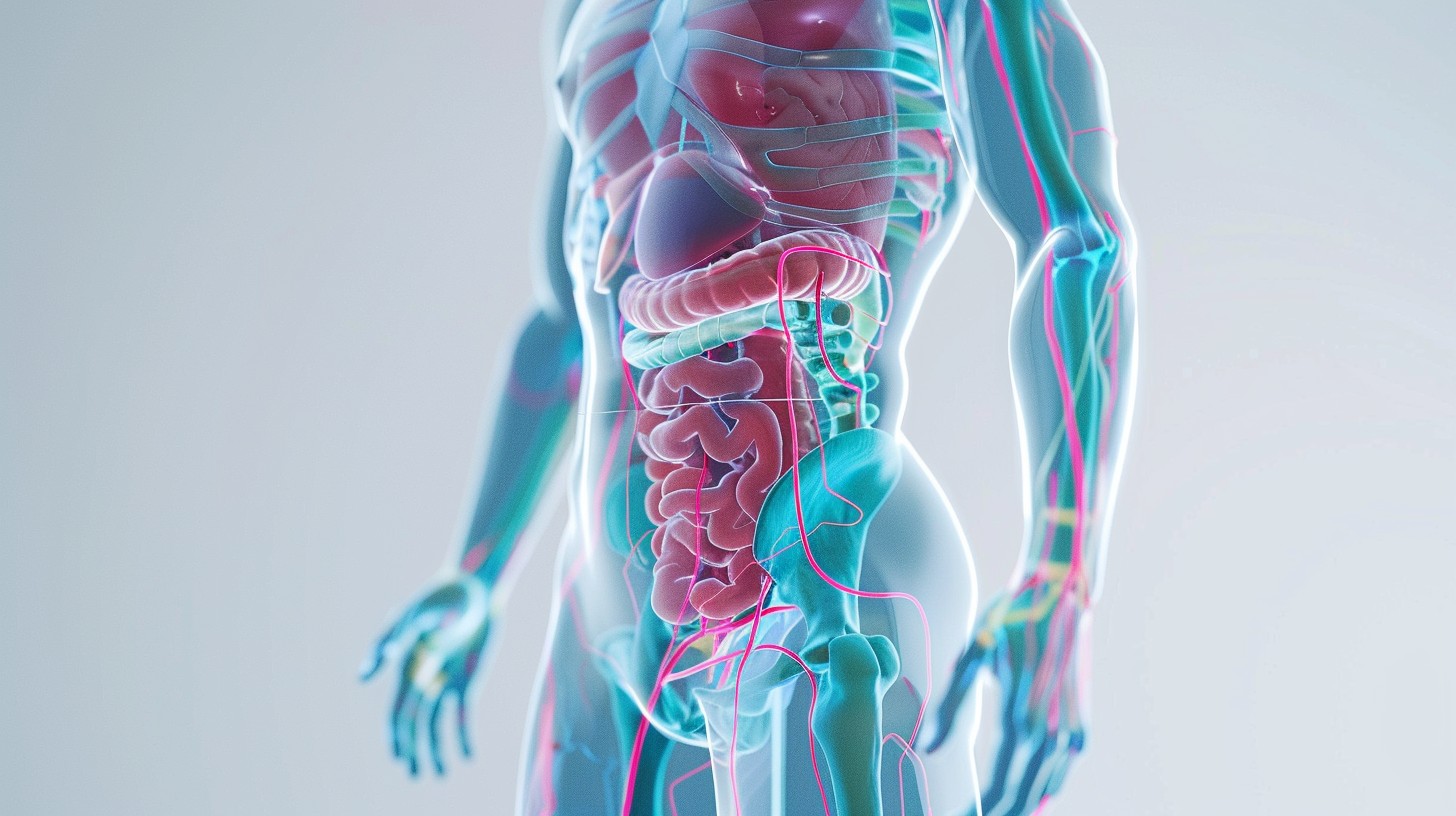
The male reproductive system is mainly responsible for its reproductive function as well as its role in excreting urine from the body. This system consists of a group of organs both externally and internally in a male’s body. The male reproductive system is an intricate system with various processes that determine normal sexual functioning and fertility. It is regulated by a hormonal system known as the hypothalamus-pituitary-gonadal axis, which maintains the balance of reproductive hormones within the body.
Male Anatomy and Function
The male anatomy consists of several organs, each with its own function, including:
- Penis: The penis contains a tube called the urethra, which transports semen containing sperm into a female’s reproductive tract and also excretes urine.
- Scrotum: The scrotum is one of the external organs, commonly known as a “sac”, which contains the testicles and helps to regulate the optimal temperature for sperm production.
- Testicles: The testicles, also external organs, are responsible for producing the male hormone, testosterone, and sperm via the process of spermatogenesis.
- Epididymis: The epididymis is a tube located behind the testicles and plays a role in maturing sperm cells, preparing them for ejaculation and fertilisation.
- Vas Deferens: The vas deferens is one of the internal organs, in the form of a tube. It transports mature sperm from the epididymis to the urethra in preparation for ejaculation.
- Seminal Vesicles: These vesicles are attached to the vas deferens and produce ejaculatory fluid. They also form ejaculatory ducts, which run through the prostate, collecting additional seminal fluid.
- Prostate: The prostate is an internal gland about the size of a walnut, situated below the bladder. It adds fluid to semen, helping to nourish sperm and keep them viable for transportation and fertilisation.
How Are Male Reproductive Hormones Regulated?
Male reproductive hormones are regulated via the hypothalamus-pituitary-gonadal axis. This axis originates in the hypothalamus, located in the brain. The hypothalamus secretes gonadotropin-releasing hormone (GnRH), which stimulates the pituitary gland, situated at the base of the brain, to secrete follicle-stimulating hormone (FSH) and luteinising hormone (LH). FSH stimulates Sertoli cells in the testicles to mature into spermatozoa, leading to sperm production, while LH stimulates Leydig cells in the testicles to produce testosterone.
Testosterone is the primary male reproductive hormone, playing a vital role in developing secondary sexual characteristics during puberty and initiating sperm production.
Endocrinopathies That Affect Male Reproductive Health
The male reproductive system is complex, and imbalances in hormonal regulation can lead to various conditions that impact male reproductive health. Some of these conditions include:
Hypogonadism
Hypogonadism can be classified into hypergonadotropic and hypogonadotropic hypogonadism.
- Hypogonadotropic hypogonadism: This occurs when testosterone levels are low due to insufficient gonadotropins from the hypothalamus. An example is Kallmann syndrome, a genetic condition often diagnosed in adolescence. It is characterised by delayed or absent puberty and a reduced sense of smell. Low GnRH secretion leads to decreased levels of FSH and LH, resulting in low testosterone, which can cause infertility.
- Hypergonadotropic hypogonadism: This arises when the testicles fail to function properly, leading to elevated GnRH levels. Klinefelter syndrome is a genetic condition under this category, where males are born with an extra X chromosome, which often results in reduced testicular growth, low testosterone levels, and infertility due to little or no sperm production.
Hypothyroidism
Hypothyroidism, where the thyroid gland is underactive, slows down metabolism and can negatively impact sexual function. Men with hypothyroidism often experience lower libido and erectile dysfunction. Studies also link hypothyroidism to reduced sperm concentration, poorer sperm morphology, and motility. In some cases, testicular enlargement has been observed in hypothyroid men as their bodies attempt to compensate by increasing sperm production, though this does not necessarily lead to fertility improvement.
Hyperprolactinaemia
This condition is marked by excessive prolactin levels, often due to a benign tumour on the pituitary gland. High prolactin inhibits the hypothalamus, reducing GnRH secretion, which in turn lowers testosterone production and sperm count. Hyperprolactinaemia can cause infertility and erectile dysfunction.
Oxidative Stress
Oxidative stress occurs when there is an imbalance between reactive oxygen species (ROS) and the body’s antioxidant defences. Antioxidants protect cells from ROS damage, and when oxidative stress is high, it can damage sperm cells, including their DNA. This damage can reduce sperm quality and function, negatively affecting male fertility.