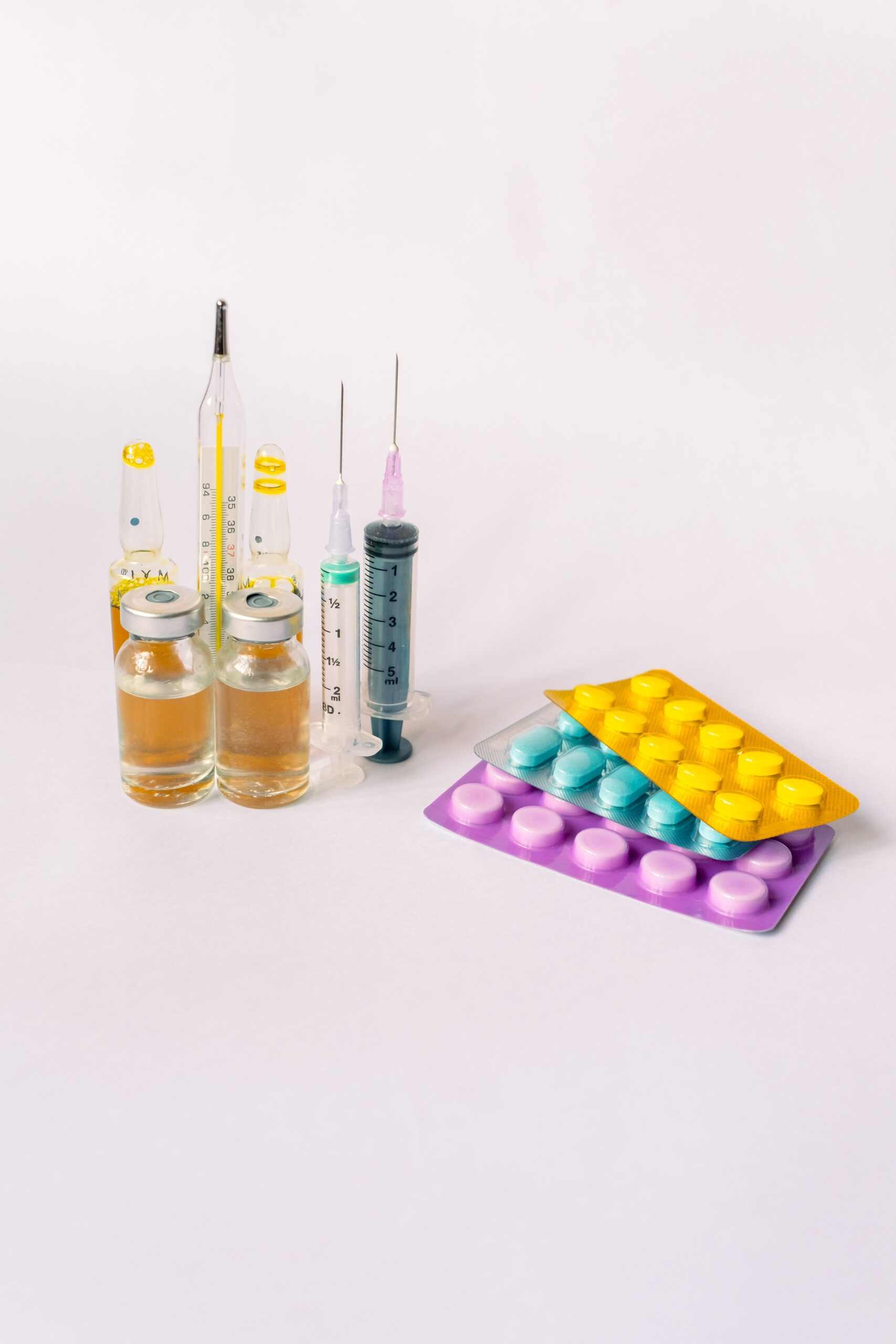
Hormone replacement therapy is a medicinal intervention that requires the administration of certain hormones to alleviate the symptoms caused by a reduction in reproductive hormones. Both men and women can experience severe effects due to a decrease in these hormones, causing conditions like menopause and andropause. The therapy is mostly used to improve an individual’s quality of life whilst improving certain health-related concerns that would arise if hormone therapy were not used.
What Is Menopause?
Menopause is an occurrence that happens when a woman has gone 12 months without any menstrual bleeding. This usually occurs anywhere between the ages of 40 and 55 years, but the average age is about 51 years. This happens due to a natural drop in female reproductive hormones known as oestrogen and progesterone.
A female is no longer considered to be in her reproductive years, and the ovaries decrease their hormone secretion. Females typically experience symptoms such as hot flushes, night sweats, insomnia, vaginal dryness, and mood disorders. In cases where this affects a female’s quality of life, hormone replacement therapy may be considered.
What Are The Symptoms Of Menopause?
The symptoms of menopause vary widely amongst women and can affect physical, emotional, and long-term health. These changes occur as the body adjusts to decreasing levels of oestrogen and other hormones. Whilst some women experience only mild symptoms, others may find them more disruptive to daily life.
Physical Symptoms
Menopause often brings physical changes such as hot flushes, which cause sudden feelings of heat accompanied by sweating and flushed skin, and night sweats, which can disrupt sleep. Women may also experience vaginal dryness, leading to discomfort during intercourse, and irregular periods as menstruation comes to an end. Sleep disturbances, weight gain (particularly around the abdomen), joint and muscle pain, thinning hair, and dry skin are also common.
Emotional and Cognitive Symptoms
Emotionally, menopause can cause mood swings, increased irritability, anxiety, or sadness, and in some cases, depression. Cognitive changes may include memory problems and difficulty concentrating, often referred to as “brain fog.” Persistent fatigue is another common symptom that can significantly affect daily life.
Long-Term Health Changes
Over time, menopause can lead to bone density loss, increasing the risk of osteoporosis, and hormonal changes may contribute to a higher risk of cardiovascular disease. These long-term health concerns highlight the importance of managing menopause symptoms and maintaining overall health.
Types Of Hormone Replacement Therapy For Women
The types of hormone replacement therapy available for women can be divided into two groups: oestrogen-alone therapy, or oestrogen and progesterone combined therapy.
Oestrogen-Alone
Oestrogen-alone therapy is usually indicated for women who have had a complete hysterectomy. This is because oestrogen-alone therapy can increase oestrogen-sensitive tissue growth in the uterus, which can lead to cancer. Thus, when there is no uterus, oestrogen therapy can be used to alleviate menopausal symptoms and help improve bone density.
Oestrogen therapy is available in various forms to ensure patient compliance. These include tablets such as Premarin, creams such as Premarin cream, a vaginal ring or vaginal tablets known as Vagifem, and patches or sprays.
Oestrogen-Progesterone Combined
Oestrogen-progesterone combined therapy is usually indicated for women who still have their uterus intact. This is primarily because progesterone plays a role in thinning the uterine wall and preventing the overgrowth of oestrogen-sensitive tissue, thereby reducing the risk of endometrial cancer. These therapies can be taken as a tablet such as Activelle or as a patch. The therapy works by inhibiting the surge in luteinising hormone (LH) that normally initiates ovulation. Women may experience menstrual bleeding whilst on these therapies.
What Are The Alternative Treatment Options For Menopause?
Hormone replacement therapy can be complemented or supplemented with additional treatment options such as lifestyle changes, vaginal oestrogen supplements, and counselling. It is important to consult a healthcare professional to tailor a treatment plan that suits individual needs and medical history.
Non-Hormonal Medication
For women who cannot or prefer not to use HRT, non-hormonal medications such as antidepressants (e.g. SSRIs or SNRIs) may help reduce hot flushes and mood symptoms. Other medications, such as gabapentin and clonidine, can also address specific symptoms like night sweats.
Lifestyle Changes
Adopting healthy habits can help alleviate symptoms and improve overall wellbeing. Regular exercise, a balanced diet rich in calcium and vitamin D, adequate hydration, and stress management techniques (e.g. yoga or mindfulness) can be beneficial. Avoiding triggers such as alcohol, caffeine, and spicy foods may reduce hot flushes.
Vaginal Oestrogen
For localised symptoms such as vaginal dryness or discomfort during intercourse, low-dose vaginal oestrogen creams, rings, or tablets can provide targeted relief without affecting the whole body.
Supplements and Alternative Therapies
Some women turn to supplements such as black cohosh, soy isoflavones, or evening primrose oil to relieve symptoms, though evidence of their effectiveness varies. Acupuncture and other alternative therapies may offer relief for some individuals, though further research is needed.
Counselling and Support
Cognitive behavioural therapy (CBT) and support groups can help women manage emotional symptoms such as mood swings, anxiety, and depression, and provide coping strategies during the menopausal transition.
What Is Andropause?
Andropause, often referred to as “male menopause,” is a condition associated with a gradual decline in testosterone levels and other hormonal changes in men as they age. The gradual decrease usually begins around the age of 30 to 35 years. Symptoms typically present at an older age, from 50 years onwards, and include a decrease in libido, sexual dysfunction, a reduction in testicular size, and a decrease in muscle mass.
What Are The Symptoms Of Andropause?
Symptoms of andropause can affect various aspects of a man’s physical, emotional, and sexual health.
Physical Changes
Physically, men may experience fatigue, reduced muscle mass and strength, increased body fat (particularly around the abdomen), and decreased bone density.
Emotional Changes
Emotionally, andropause can lead to mood changes such as depression, irritability, low self-confidence, and difficulties with concentration or memory.
Sexual Changes
In terms of sexual health, andropause often results in a reduced libido, erectile dysfunction, and decreased overall sexual satisfaction. These symptoms vary in severity and may significantly impact quality of life.
Types Of Hormone Replacement Therapy For Men
Hormone replacement therapy for men is usually referred to as testosterone replacement therapy (TRT). This therapy involves the administration of exogenous testosterone in order to normalise and stabilise testosterone levels, particularly in men whose quality of life is severely affected. Older men may use testosterone replacement therapy to improve sexual dysfunction and increase libido.
Administration Of TRT
TRT is available in the form of an injection, usually administered every three months as a depot. It is also available as a gel applied to the skin, a subcutaneous implant that releases testosterone, patches applied to the skin, or oral tablets. The most appropriate form of TRT is to be determined by a doctor or endocrinologist to best suit the individual’s needs. Where a patch is used, it is important to educate patients that it must not be placed on an area of high body fat, as testosterone is fat-soluble and will accumulate in fatty tissue rather than being distributed into the bloodstream. To avoid risks such as this, an injection may be preferable.
What Are The Alternative Treatment Options For Andropause?
Treatment for andropause focuses on managing symptoms and addressing the underlying hormonal changes, particularly the decline in testosterone levels. Options vary based on individual symptoms, medical history, and lifestyle. It is essential to consult a healthcare professional to evaluate symptoms, confirm a diagnosis, and develop a personalised treatment plan.
Non-Hormonal Medications
Other medications may be prescribed to address particular symptoms. For instance, phosphodiesterase inhibitors such as sildenafil (Viagra) can help with erectile dysfunction, whilst antidepressants or anxiolytic medications may be used for mood-related concerns.
Lifestyle Changes
Adopting a healthier lifestyle can significantly improve andropause symptoms. Regular exercise, particularly strength training, can boost energy levels, improve muscle mass, and enhance mood. A balanced diet rich in essential nutrients, adequate sleep, stress management, and avoiding smoking or excessive alcohol intake are also important.
Alternative Therapies
Some men explore alternative therapies such as herbal supplements (e.g. ginseng, ashwagandha, or fenugreek) to address symptoms. Whilst some evidence suggests potential benefits, these should be approached with caution and discussed with a healthcare provider.
Counselling and Support
Therapy or counselling can help men cope with emotional symptoms such as depression, irritability, or loss of self-confidence. Support groups may also provide a sense of community and shared understanding.