Stress is a natural part of being human, and it can sometimes be helpful in motivating us to get things done. Even high levels of stress due to serious illnesses, job loss, a death in the family, or other painful life events can be a normal part of life. Feeling down or anxious during such times is also normal, but if these feelings persist for more than a few weeks or start to impact your home or work life, it’s best to speak to your doctor about it. Your doctor can suggest various strategies, including therapy, medication, or other treatments to help you cope.
What Are Some Natural Ways to Manage Stress?
Stress is an unavoidable part of life, ranging from minor challenges to major crises. While you may not be able to control the circumstances leading to stress, you can always control your response to them. If stress becomes too intense or chronic, it can negatively impact your well-being. Therefore, it is crucial to have effective stress-relieving techniques that can calm your mind and body.
Put Stress in Its Place
Managing stress effectively can significantly improve your overall health. Use these calming strategies to reduce stress and enhance your well-being.
Chew a Bit of Bubble Gum
When you feel like you can’t handle any more stress, try chewing a piece of gum. Studies have shown that chewing gum can reduce anxiety and relieve stress. Some experts believe that the repetitive motion of chewing can increase blood flow to the brain, while others think that the flavour and scent of the gum can help you feel more relaxed.
Get Outside
Spending time outdoors, even close to home, is associated with better well-being. Being in a natural setting often involves physical activity, such as walking or hiking. Even a few minutes can make a difference in how you feel.
Smile Like You Mean It
When you feel stressed, it might be helpful to smile even if you don’t feel happy. A genuine smile that engages the muscles around your eyes and mouth can reduce your body’s stress responses and help lower your heart rate faster after the stressful situation ends. So, don’t dismiss the advice to “grin and bear it” the next time you’re feeling tense.
Sniff Some Lavender
Certain fragrances, such as lavender, have soothing properties. According to a study, nurses who attached small vials of lavender oil to their clothes experienced a decrease in stress levels, while those without it felt more stressed. Lavender can also enhance the effect of certain painkillers and anti-anxiety medications, so if you’re currently taking any of these medications, it’s advisable to consult your doctor before using lavender.
Focus on Your Breathing
To reduce stress, simply focus on your breathing. This technique helps to calm your body’s stress response and shift your attention away from negative thoughts. Find a quiet place and sit comfortably. Inhale slowly through your nose, allowing your chest and lower belly to rise and your abdomen to expand. Then, exhale slowly while repeating a calming word or phrase. For maximum benefit, practise this technique for at least 10 minutes.
What Supplements May Help Relieve Stress?
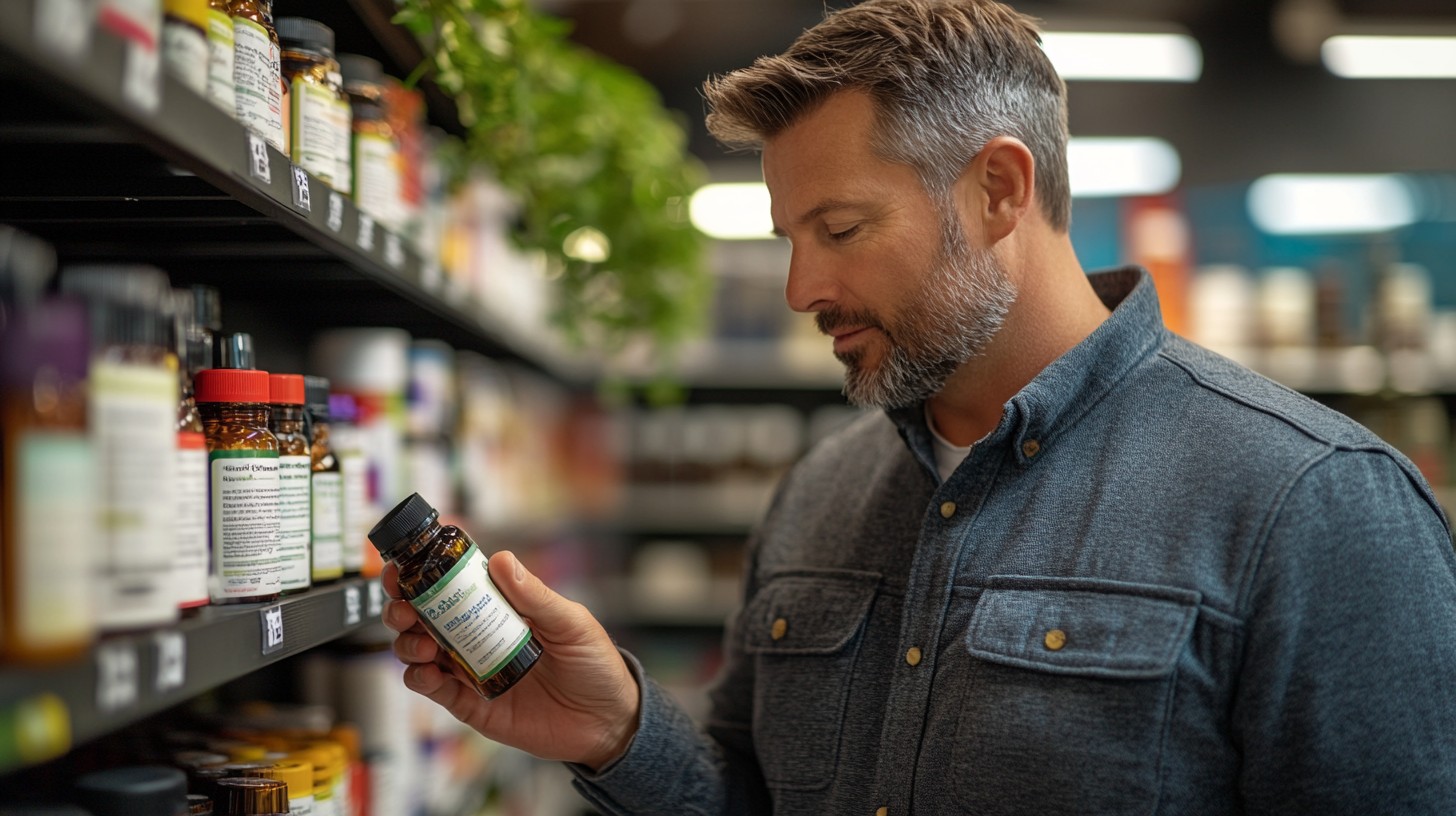
Chronic stress can negatively impact your health by causing inflammation, lowering immunity, and increasing the risk of high blood pressure, stroke, and heart attack. A healthy diet, exercise, and mental health support can relieve stress. Dietary supplements may also help reduce stress, although no supplement is a magic cure. While claims of their effectiveness are often exaggerated, some evidence suggests that supplements can be part of a holistic approach to reducing stress, alongside lifestyle changes.
Ashwagandha
Ashwagandha is a plant used in Ayurvedic medicine for centuries. It may help reduce stress and anxiety, and improve sleep. However, people with diabetes or high blood pressure should not combine ashwagandha with their medication. It may also cause sleepiness and slowed breathing, so it should not be taken with sedatives. Ashwagandha can be taken as a pill or capsule, or added to food, but it has a bitter taste.
L-Theanine
L-theanine is an amino acid found in green tea that has a relaxing effect. It may help reduce stress and improve focus and memory. Supplement forms are recommended for research purposes. Black tea contains the most L-theanine, while green tea has the least. Consuming too much caffeine through tea can lead to side effects, so it’s important to monitor your intake. The FDA recommends a maximum of 400 mg of caffeine daily for healthy adults.
Magnesium
Magnesium is an essential mineral that regulates bodily processes such as muscle and nerve functioning, protein synthesis, and bone health. Research suggests that magnesium may help with mild anxiety, but more research is required to establish magnesium as an effective stress reducer. You can find magnesium in green leafy vegetables, nuts, seeds, legumes, whole grains, and fortified breakfast cereals. Adults should consume no more than 350 mg of magnesium per day in supplement form. Magnesium aspartate, citrate, lactate, or chloride are better absorbed than magnesium oxide or sulfate. Many laxatives and antacids also contain magnesium.